HIWIN Uses SmartDO as the Push-Button "Automatic Design Optimization" and "Automatic Compliance Design" Platform
16-NOV-2026
This article is based on the public presentation “SmartDO Makes Engineering Analysis a Single Button: What Are Engineers Busy With Every Day?” by HIWIN section supervisor Chun-Kai Chang at the 2026 SmartDO User Conference. HIWIN combines large language models (LLMs), Python, open-source CAE and SmartDO in a standard push-button workflow. LLMs assist customized coding and debugging; SmartDO searches for better designs.
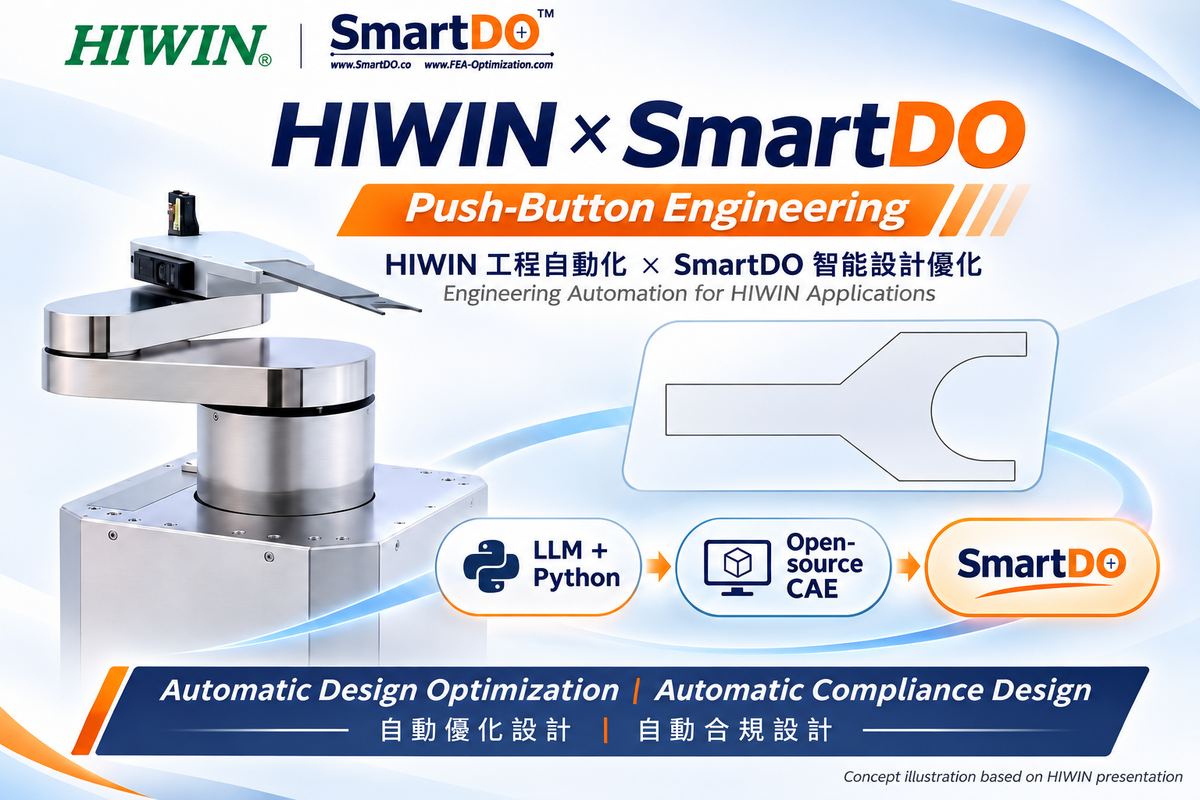
Figure 1. HIWIN’s push-button Automatic Design Optimization and Automatic Compliance Design platform. Concept illustration.
Why Automatic Design Optimization and Automatic Compliance Design
A change in requirements means updating models, running analyses, moving data and checking designs. HIWIN connects these steps so engineers can enter requirements and start the process with one button.
Automatic Design Optimization searches for better designs. Automatic Compliance Design checks specified engineering requirements, such as dimensions, stiffness and motor loads, during each iteration. Design improvement and constraint checks run together, reducing repetitive manual work.
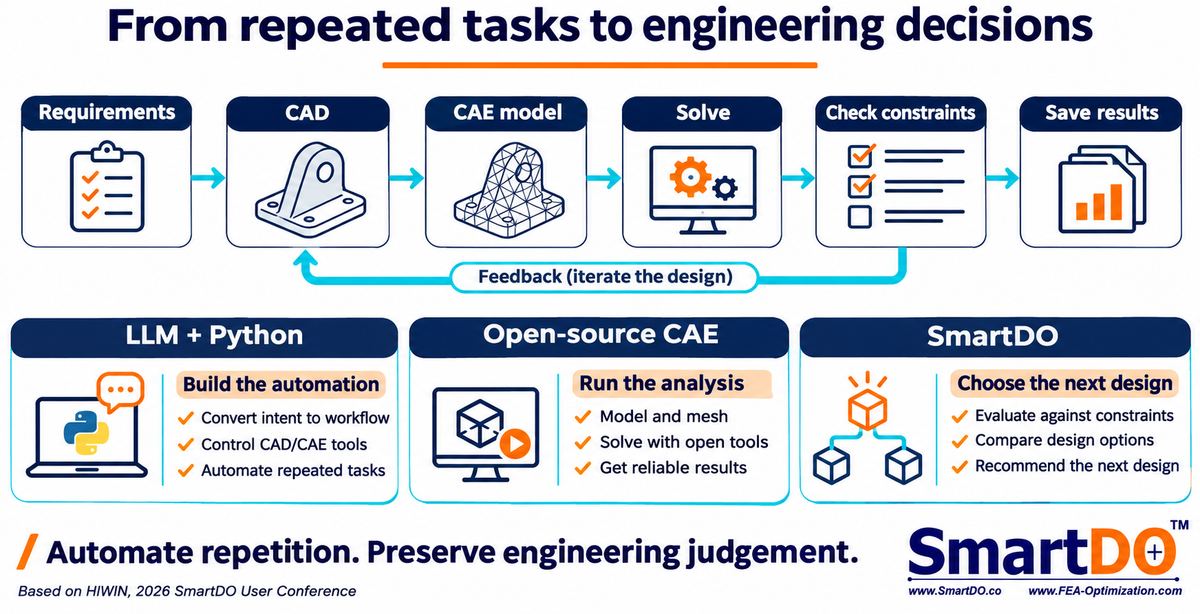
Figure 2. LLMs assist development, open-source CAE runs analyses, and SmartDO searches designs.
Why SmartDO
SmartDO connects existing tools and selects the next design from analysis results. Engineers can retain familiar interfaces and choose analysis software to suit the application.
SmartDO uses deterministic mathematical optimization, with direct global search, direct multi-objective search and discrete-variable handling. S.A.F.E.D. automatic error detection and avoidance helps handle failed analyses.
Direct search can avoid the up-front sampling or training required by AI, Design of Experiments (DOE) and Response Surface Approximation workflows that depend on those steps. This concentrates computation on design objectives and constraints.
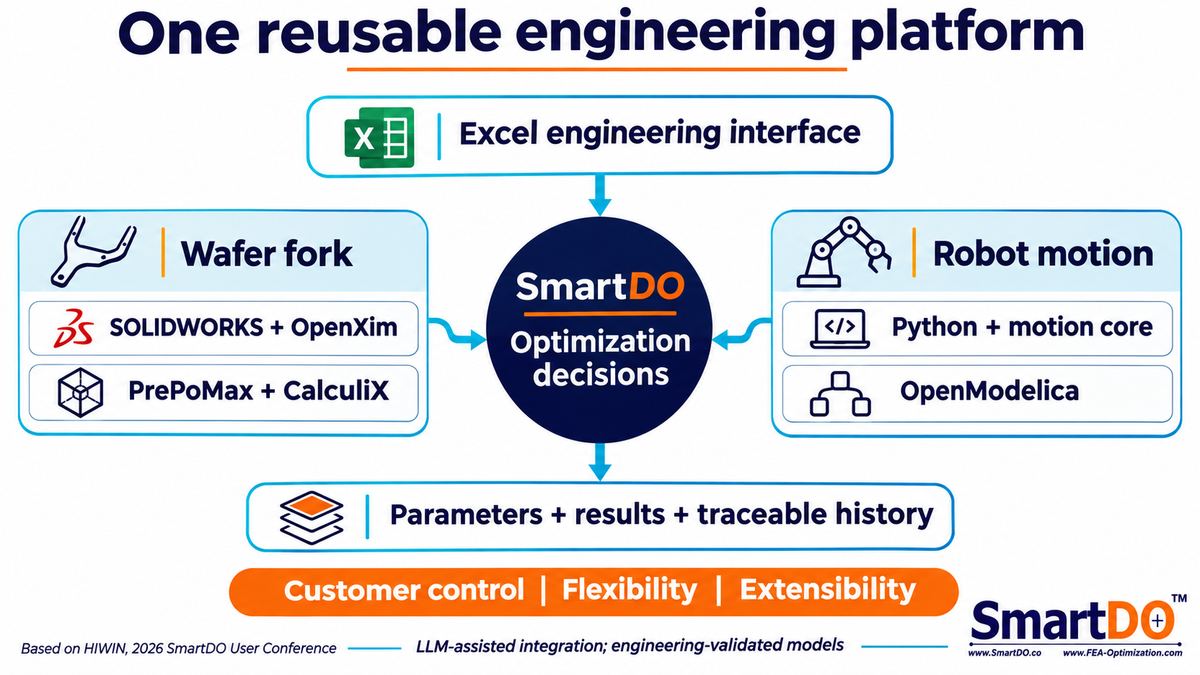
Figure 3. Common interfaces connect requirements, analysis tools and SmartDO.
Example 1: Wafer Fork Automatic Design Optimization and Automatic Compliance Design
A wafer fork must balance mass, dimensions and stiffness. HIWIN varies seven geometry parameters covering shape and thickness. SmartDO automatically generates designs that substantially improve the mass objective, while checking geometry and displacement constraints in each iteration.
Commercial CAD software SOLIDWORKS updates the model. SmartDO OpenXim connects open-source PrePoMax and CalculiX for preprocessing and finite element analysis (FEA). Python handles HIWIN’s internal custom processes and calculations. SmartDO integrates the entire workflow, reads mass, displacement and constraint results, and selects the next dimensions.
Engineers enter requirements and start the process. CAD updates, CAE execution, constraint checks and result reporting then run automatically. This reduces repetitive work and applies the same standard across designs.
Practical application experience shows that SmartDO achieves push-button Automatic Design Optimization and Automatic Compliance Design with computational efficiency far exceeding that of other systems.
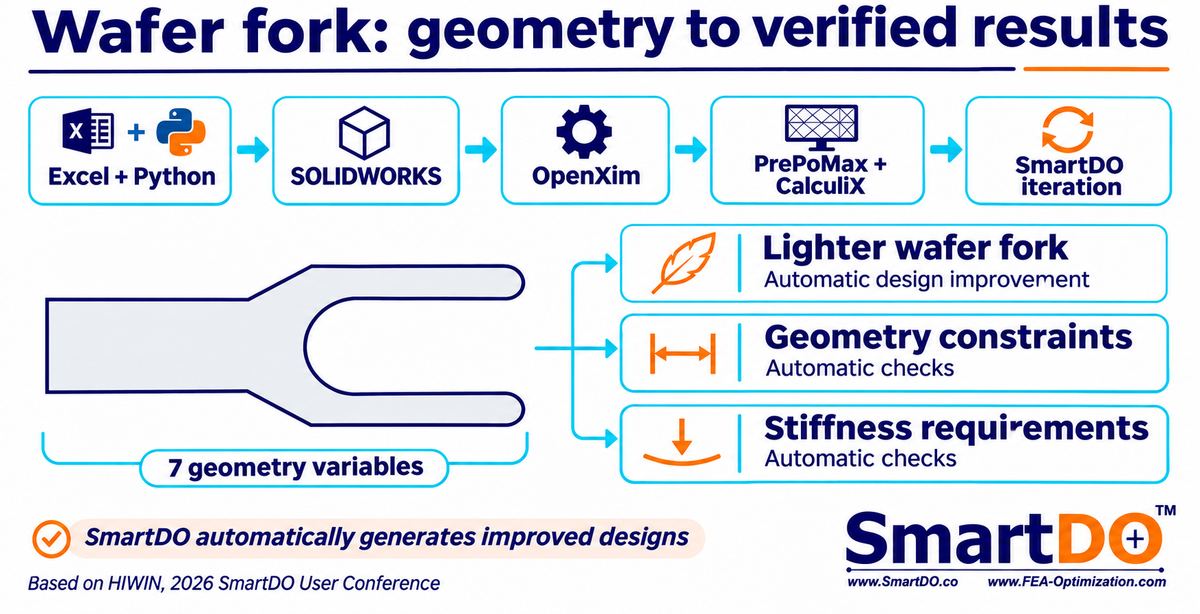
Figure 4. SmartDO automatically improves wafer-fork designs and checks geometry and stiffness requirements.
Example 2: Robot Arm Automatic Design Optimization and Automatic Compliance Design
Acceleration ratio and speed settings affect operation time and motor load. HIWIN uses Python to connect the motion core with open-source OpenModelica for dynamics analysis. SmartDO adjusts motion parameters and automatically generates designs that substantially improve the operation-time objective.
SmartDO integrates peak and RMS motor-load feedback in the same loop as motion optimization and load-constraint checks. Each iteration checks engineering requirements, reducing separate manual checks afterward.
OpenModelica’s modular models can be reused across robot configurations. With SmartDO, engineers can assess speed and load through a common workflow for early motor selection and transfer-performance design.
In practical robot-dynamics applications, SmartDO likewise delivers computational efficiency far beyond other systems, bringing motion optimization and engineering-requirement checks together at the push of a button.
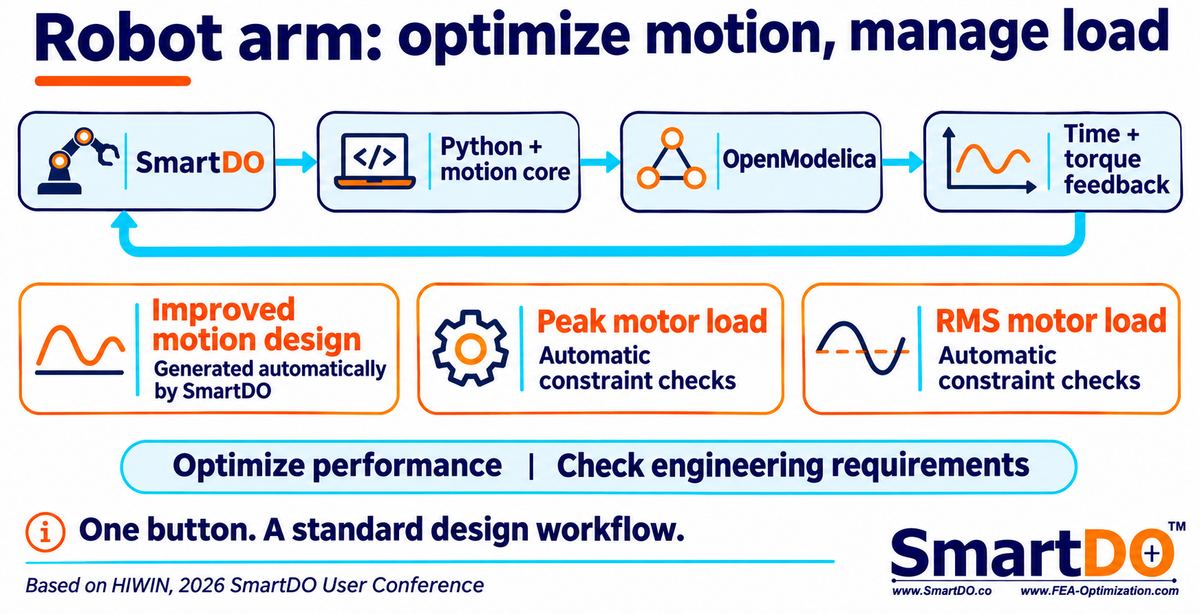
Figure 5. SmartDO automatically improves motion designs and checks peak and RMS motor loads.
Advantages of the SmartDO Integration Platform
Both cases follow the same steps: enter requirements, run analyses, search designs, check constraints and return results. The same architecture supports a standard push-button workflow for Automatic Design Optimization and Automatic Compliance Design, from fork structures to robot dynamics.
Customer control: retain company forms and design rules. Flexibility: combine commercial CAD with open-source CAE. Extensibility: add models and analysis tools for multidisciplinary and multiphysics automatic design optimization.
LLMs assist customized development, OpenXim connects open-source engineering software, and SmartDO automatically searches for improved designs. HIWIN turns these capabilities into a reusable workflow that preserves engineering knowledge.
Figure 3. A shared architecture supports customer control and future applications.
Advantages of SmartDO AI-Power + Multidisciplinary/Multiphysics Automatic Design Optimization
With Cutting-Edge Computing Efficiency, SmartDO provides engineers with a seamless Push-Button Automatic Design Optimization Solution and a Digital Production Integration and Automation Platform with the following unique features
- One-page GUI configuration
- One-click automatic optimization design
- Proved in optimization problems with more than 240 design variables
- Multidisciplinary/Multiphysics automatic design optimization
For more information about SmartDO, please contact us.
More Information
FEA-Opt Technology Co. Ltd. is an international RD/Consultancy/CAE and Software firm. We provide superior RD/consultancy services to our customers, and customized solutions for each customer's special need.
SmartDO, our flagship product for Smart Design Solutions, is A General-Purpose AI-Powered CAE Optimization Platform. It provide unique technology for push-button automatic design optimization and Digital Production Line Integration and Automation. For details about SmartDO, please visit our web site at http://www.SmartDO.co/